Archives
- 2026-06
- 2026-05
- 2026-04
- 2026-03
- 2026-02
- 2026-01
- 2025-12
- 2025-11
- 2025-10
- 2025-09
- 2025-04
- 2025-03
- 2025-02
- 2025-01
- 2024-12
- 2024-11
- 2024-10
- 2024-09
- 2024-08
- 2024-07
- 2024-06
- 2024-05
- 2024-04
- 2024-03
- 2024-02
- 2024-01
- 2023-12
- 2023-11
- 2023-10
- 2023-09
- 2023-08
- 2023-07
- 2023-06
- 2023-05
- 2023-04
- 2023-03
- 2023-02
- 2023-01
- 2022-12
- 2022-11
- 2022-10
- 2022-09
- 2022-08
- 2022-07
- 2022-06
- 2022-05
- 2022-04
- 2022-03
- 2022-02
- 2022-01
- 2021-12
- 2021-11
- 2021-10
- 2021-09
- 2021-08
- 2021-07
- 2021-06
- 2021-05
- 2021-04
- 2021-03
- 2021-02
- 2021-01
- 2020-12
- 2020-11
- 2020-10
- 2020-09
- 2020-08
- 2020-07
- 2020-06
- 2020-05
- 2020-04
- 2020-03
- 2020-02
- 2020-01
- 2019-12
- 2019-11
- 2019-10
- 2019-09
- 2019-08
- 2019-07
- 2019-06
- 2019-05
- 2019-04
- 2018-07
-
br Conclusion GroEL from RA CH was
2023-10-23
Conclusion GroEL from RA-CH-1 was expressed and purified. The recombinant RaGroEL protein exhibited ATPase activity, which cooperated with GroES in ATP hydrolysis. Furthermore, the expression pattern of groEL revealed that groEL was up-regulated during stress response. Further studies are warrant
-
IGF is an anabolic growth factor that induces hypertrophy
2023-10-23

IGF1 is an anabolic growth factor that induces hypertrophy and blocks atrophy in skeletal muscle by activating the PI3K/AKT/mTOR pathway (Egerman and Glass, 2014). In addition to its anabolic and anti-catabolic effects, IGF1 stimulates fatty Estradiol 17-(β-D-Glucuronide) sodium salt (FA) uptake an
-
There are two major isoforms of LO in
2023-10-23

There are two major isoforms of 12/15-LO in mammalian, 12 and 15- LO, with different cellular distributions. To determine the relative contributions of these isoforms towards glucose-induced monocyte-endothelial interactions, the distribution of these isoforms in the two cell types involved in leuko
-
Many ruthenium complexes were tested as potential anticancer
2023-10-23
Many ruthenium complexes were tested as potential anticancer agents and two complexes, namely NAMI-A (trans-[imH] [RuCl4(dmso-S)(im)]; im, imidazole) and KP1019 (trans-[indH][RuCl4(ind)2]; ind, indazole) have successfully entered clinical trials [27], [28]. NAMI-A is selectively active against metas
-
monocarboxylate transporters Introduction Lipoxygenases LOXs
2023-10-23
Introduction Lipoxygenases (LOXs) are key enzymes that catalyze the polyunsaturated fatty acids (PUFAs) such as arachidic monocarboxylate transporters (AA), linoleic acid (LA) and others unsaturated fatty acids (Brash, 1999). LOXs are expressed in immune, neural, epithelial, tumor cells and other
-
The distribution and subcellular localization differs betwee
2023-10-23
The distribution and subcellular localization differs between the subtypes of mGlu receptors. Most mGlu receptors are broadly expressed in the brain, except for mGlu6, which is restricted to the retina. Some mGlu receptors are additionally found in glial cells, such as mGlu3 and mGlu5 (Aronica et al
-
The approach of enzymatically converting an analyte and dete
2023-10-23
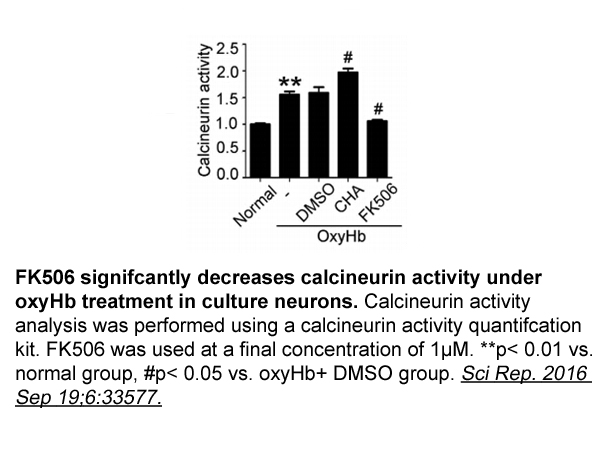
The approach of enzymatically converting an analyte and detecting it by the resulting small pH changes near the reduced graphene oxide (rGO) surface has successfully been pursued in case of urea (Piccinini et al., 2017). Furthermore, this work reported that electrostatic layer-by-layer (LbL) assembl
-
Researchers demonstrated that mitochondria are the
2023-10-23

Researchers demonstrated that mitochondria are the main producers of ROS and are the most sensitive to the effects of ROS. Mitochondria-mediated apoptosis may not be limited to the role of cytochrome c in the activation of caspase-3 and ROS may provide an alternate mitochondrial signaling pathway (H
-
Our previous studies and others
2023-10-23
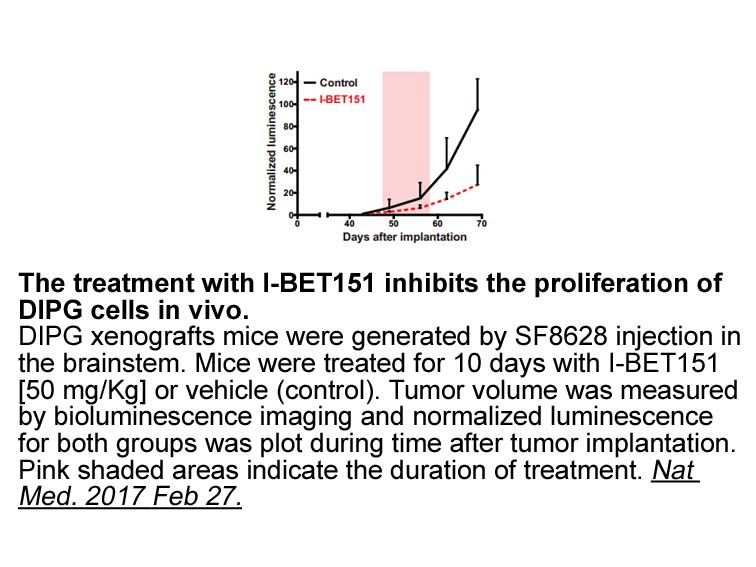
Our previous studies and others have identified that the inhalational anesthetic isoflurane induces neuronal apoptosis via [Ca2+]i overload through the opening of synaptic voltage-dependent calcium channels (VDCCs) and the excessive Ca2+ release from the endoplasmic reticulum (Zhao et al., 2011; Zha
-
br Future view and implications The selection
2023-10-23
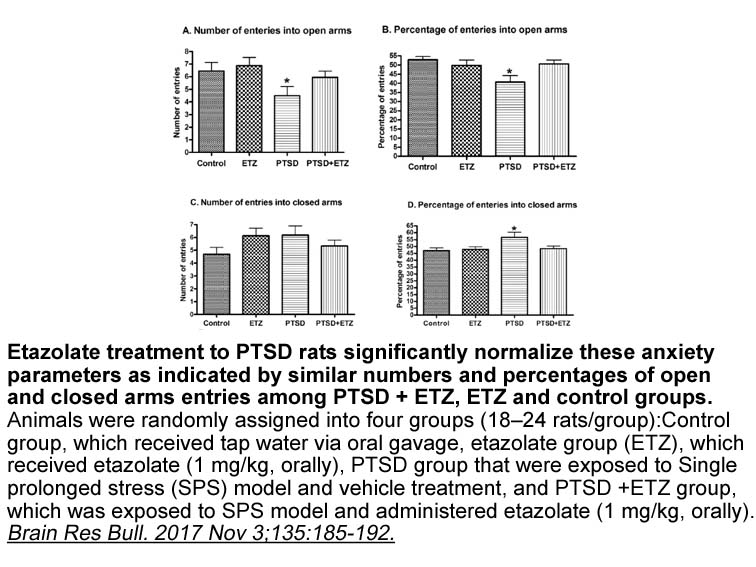
Future view and implications The selection and spread of multi(drug)-resistant microorganisms over the last decades has become a major and global public health concern [35]. Two growing threats originating from the fungal kingdom, i.e. Aspergillus fumigatus and Candida auris[36], [37], re-emphasi
-
atm inhibitor Expression of Twist and the AR are increased b
2023-10-23
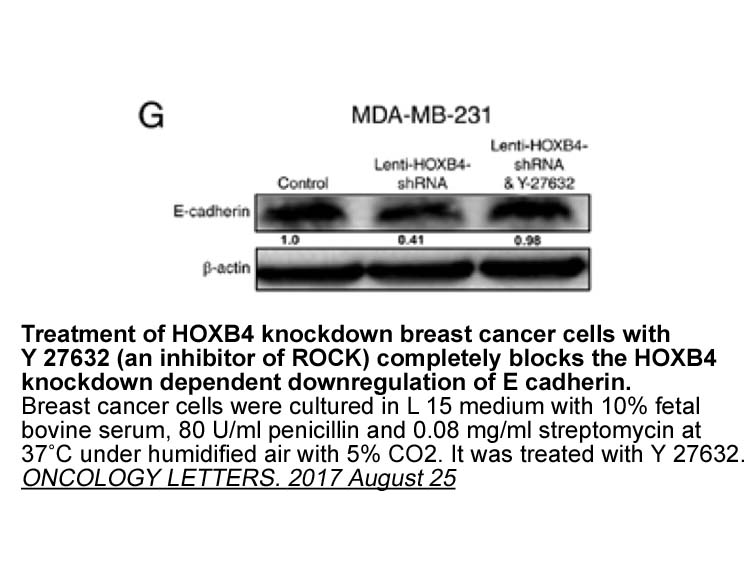
Expression of Twist1 and the AR are increased by oxidative stress, but the change in the receptor (mRNA/protein) is lost after treatment with siRNAs that target Twist 1 (Shiota et al., 2010). Twist 1 was found to bind to E-boxes, 5′-CANNTG-3′, in the proximal promoter (−442 to +51 bp) and upstream r
-
br Introduction It is well known that when epithelial cells
2023-10-23
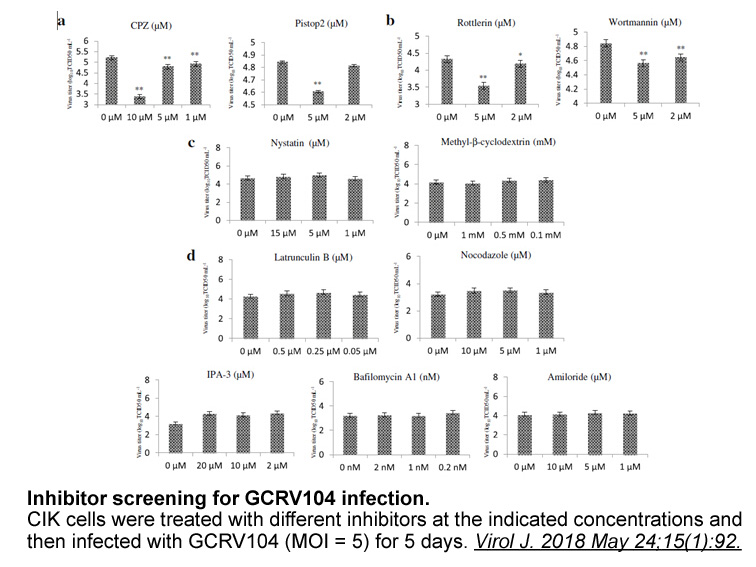
Introduction It is well known that when epithelial cells are deprived of anchorage, they undergo detachment-induced apoptosis, also known as anoikis. Cancer cells, by contrast, are able to suppress anoikis and survive under anchorage -independent conditions in the circulating system, which is tho
-
The cavity volume of the
2023-10-23

The cavity volume of the binding pocket may differ not only between species but also among various AhR/ARNT isoforms within a single species. It is noteworthy that even a single amino Propidium iodide sale substitution within a binding pocket may result in a change in the cavity volume. This, in tu
-
The cellular mechanism underlying the CGS mediated
2023-10-23
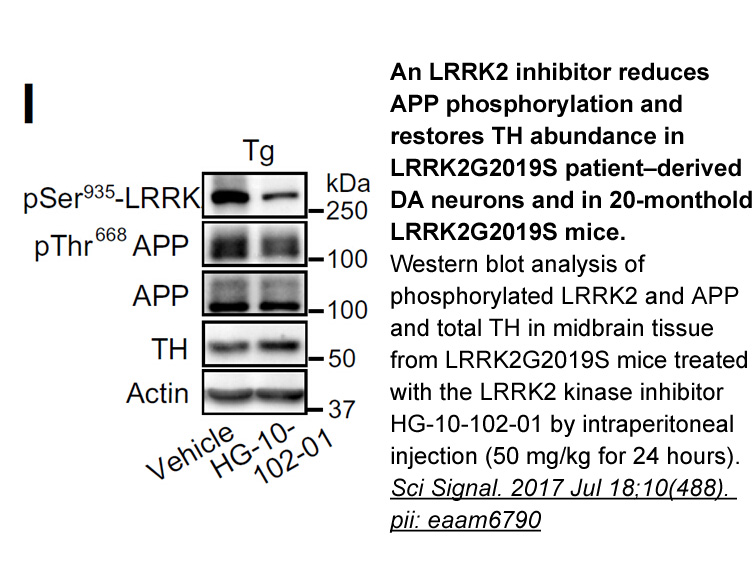
The cellular mechanism underlying the CGS12066-mediated inhibition of glutamate release from hippocampal nerve terminals through presynaptic 5-HT1B receptors remains to be elucidated. 5-HT1B receptors are coupled to PTX-sensitive G proteins (Gi or Go) that have been shown to inhibit AC activity as w
-
In earlier experiments on snails a behavioral
2023-10-23
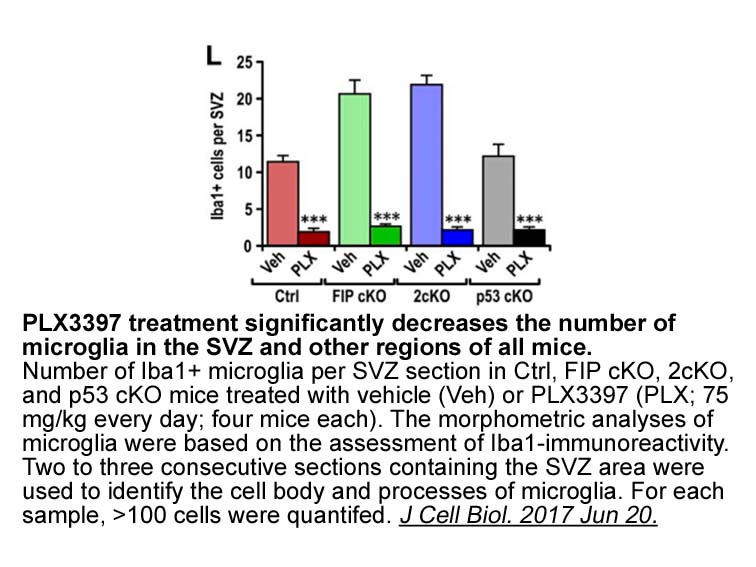
In earlier experiments on snails, a behavioral model was employed of certain food rejection to study the mechanisms of the reconsolidation of long-term associative memory. It was found that conditioned food stimuli (reminder) presentation, combined with injections of NMDA glutamate receptor antagoni
16240 records 279/1083 page Previous Next First page 上5页 276277278279280 下5页 Last page