Archives
- 2026-11
- 2026-10
- 2026-09
- 2026-08
- 2026-07
- 2026-06
- 2026-05
- 2026-04
- 2026-03
- 2026-02
- 2026-01
- 2025-12
- 2025-11
- 2025-10
- 2025-09
- 2025-04
- 2025-03
- 2025-02
- 2025-01
- 2024-12
- 2024-11
- 2024-10
- 2024-09
- 2024-08
- 2024-07
- 2024-06
- 2024-05
- 2024-04
- 2024-03
- 2024-02
- 2024-01
- 2023-12
- 2023-11
- 2023-10
- 2023-09
- 2023-08
- 2023-07
- 2023-06
- 2023-05
- 2023-04
- 2023-03
- 2023-02
- 2023-01
- 2022-12
- 2022-11
- 2022-10
- 2022-09
- 2022-08
- 2022-07
- 2022-06
- 2022-05
- 2022-04
- 2022-03
- 2022-02
- 2022-01
YM 022 The G protein coupled receptor
2022-01-20
The G protein-coupled receptor, GPR40 (also called FFAR1) responds to medium and long chain unsaturated fatty acids, resulting in increase of insulin secretion during elevated glucose levels. The glucose dependency of insulin secretion makes this receptor a very good target for developing therapies
br Materials and methods br Results and
2022-01-20
Materials and methods Results and discussion Conclusions Acknowledgments The authors are grateful to Dr. N. Prevete for providing the human AGS shCTR and AGS shFPR2 cells. This work was supported by POR Campania FSE 2007-2013 Project CREME and Ministry of Health, Italy, RF-2011-02349269.
SKF 81297 hydrobromide The first FPR ligand described is the
2022-01-20
The first FPR1 ligand described is the fMLF peptide, which binds with high affinity (in the nM range) to and activates FPR1. Formylated peptides derived from Listeria monocytogenes also selectively activate FPR1 [10] (Table 1). Formylation of peptides also occurs in mitochondria. Thus, the release o
br Acknowledgments This research was supported in part
2022-01-20
Acknowledgments This research was supported in part by National Institutes of Health IDeA Program COBRE grant GM110732; a USDA National Institute of Food and Agriculture Hatch project; and the Montana State University Agricultural Experiment Station. Introduction Propofol (2,6-Diisopropylphen
br Conclusion br Conflict of interest br Acknowledgements
2022-01-20
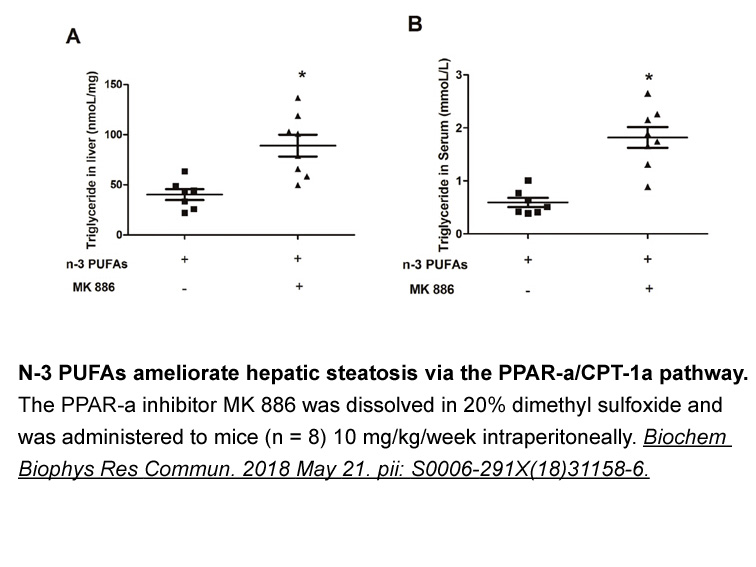
Conclusion Conflict of interest Acknowledgements Introduction The brain contains abundant fatty acids, which serve as constituents of membranes and as an energy source. In addition, fatty acids and their metabolites contribute to signal transduction between neurons or neurons and glial c
C prevents the glutamate and erastin induced ROS accumulatio
2022-01-20
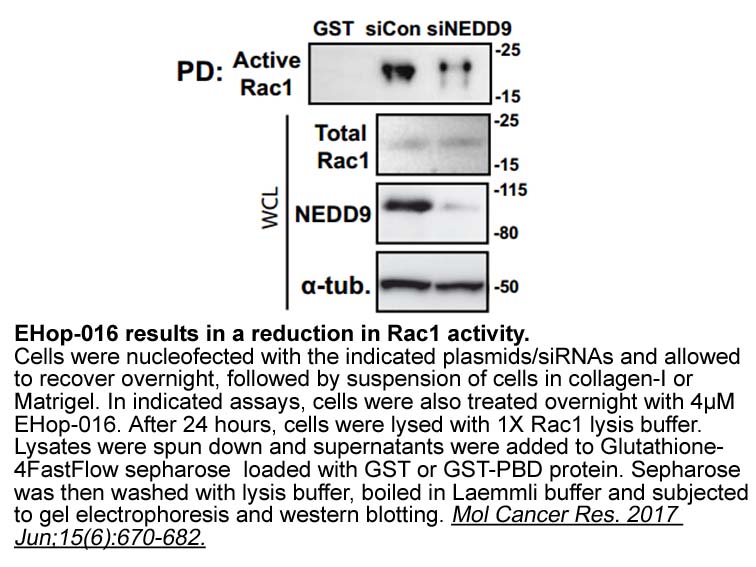
C16 prevents the glutamate- and erastin-induced ROS accumulation but does not affect the decrease in GSH, indicating that prevention of ROS accumulation by C16 is not due to the restoration of GSH levels. Instead, C16 itself possessed superoxide anion scavenging activity in vitro at similar concentr
br Methods and materials br Conflict
2022-01-20
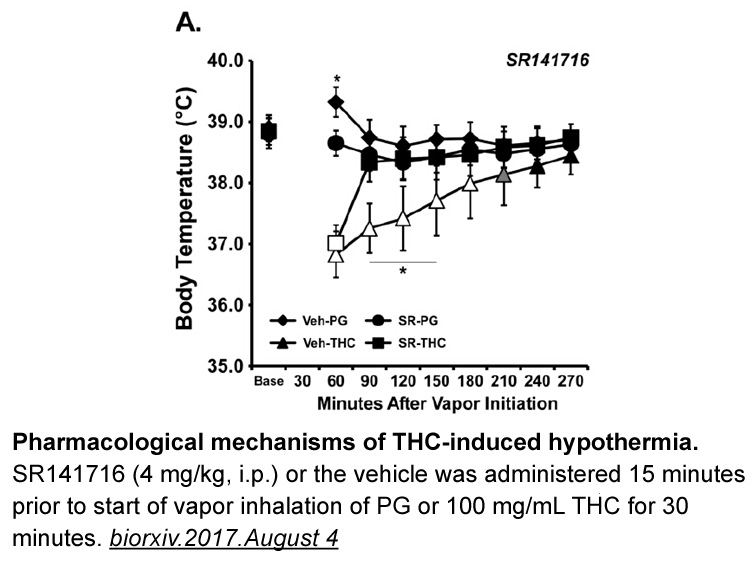
Methods and materials Conflict of interest statement Introduction Ferroptosis (ferro = “ferrous ion (Fe2+)”, ptosis = “fall”), implicating the crucial role of cellular iron played in cell death, is a new form of nonapoptotic programmed cell death characterized by iron-dependent accumulation
Cell stiffness is determined by the cytoskeleton
2022-01-20
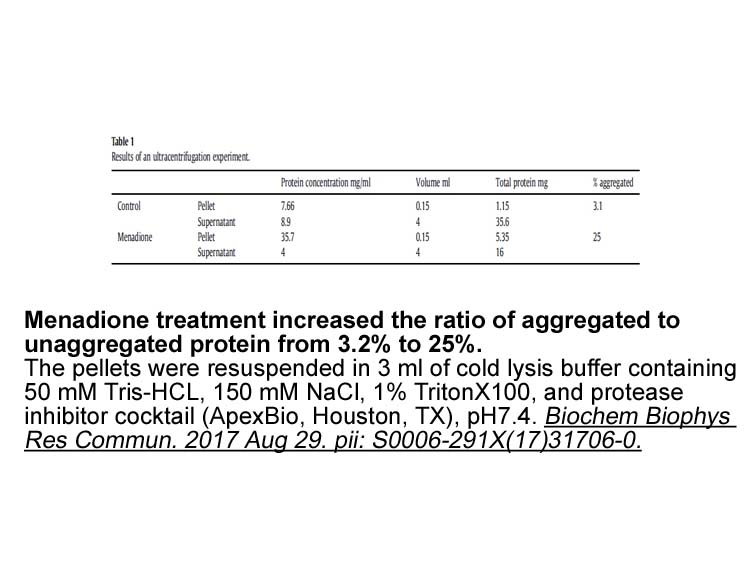
Cell stiffness is determined by the cytoskeleton, an intracellular polymeric network consisting of monohydrochloride australia filaments, microtubules, intermediate filaments, and crosslinking proteins [38]. Low cell stiffness has been correlated with reduced formation of well-defined F-actin filam
br Conflict of interest br
2022-01-20
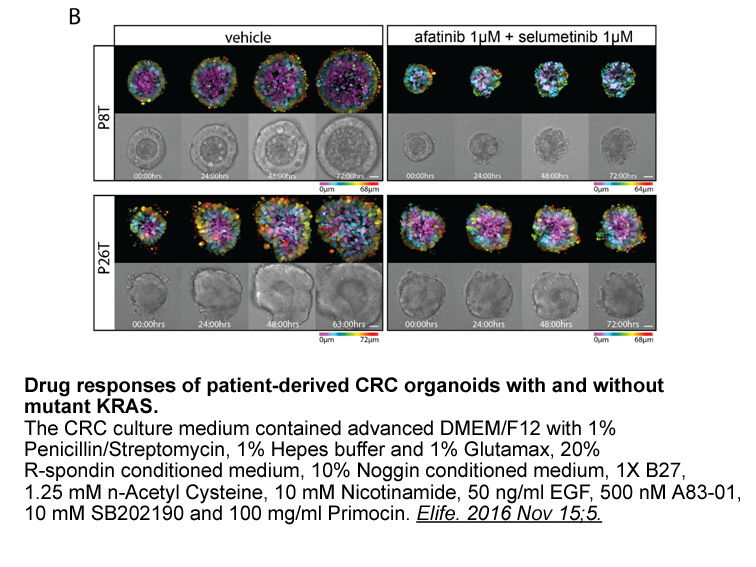
Conflict of interest Author contributions Introduction 2-Quinolones [quinoline-2(1H)-ones], while less prominent than the isomeric 4-quinolones, nevertheless enjoy significant attention as scaffolds in compounds exhibiting a variety of biological activities. These include: 4-aryl-6-chloroqu
osi sc 175 Some studies using RNAi have recently been invali
2022-01-20
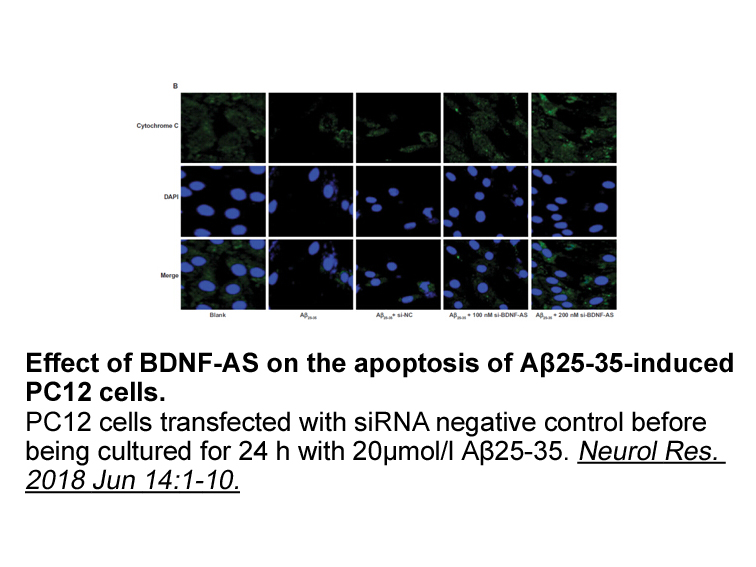
Some studies using RNAi have recently been invalidated by CRISPR/Cas9 [25] due to significant off-target effects of RNAi [26]. In this study, we have used both RNAi and CRISPR/Cas9 techniques and have observed consistent and similar phenotypes thus; knockdown or knockout of PATZ1 resulted in reducti
Materials and methods br Results and discussion
2022-01-20
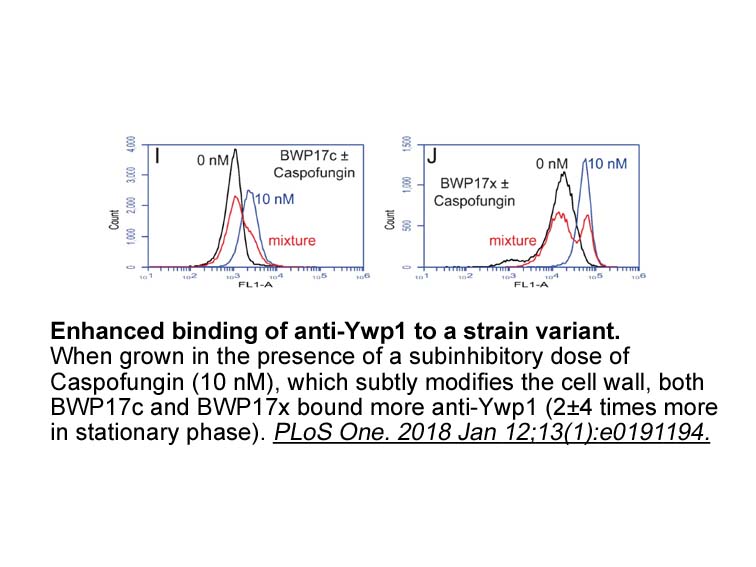
Materials and methods Results and discussion Acknowledgments This work was supported in part by the Japan Society for the Promotion of Science KAKENHI Grants JP21300174 and JP25282144 (H.K.). Introduction Epigenetic modifications of histones, such a lysine acetylation, play a key role in
In summary we have provided evidence that
2022-01-20
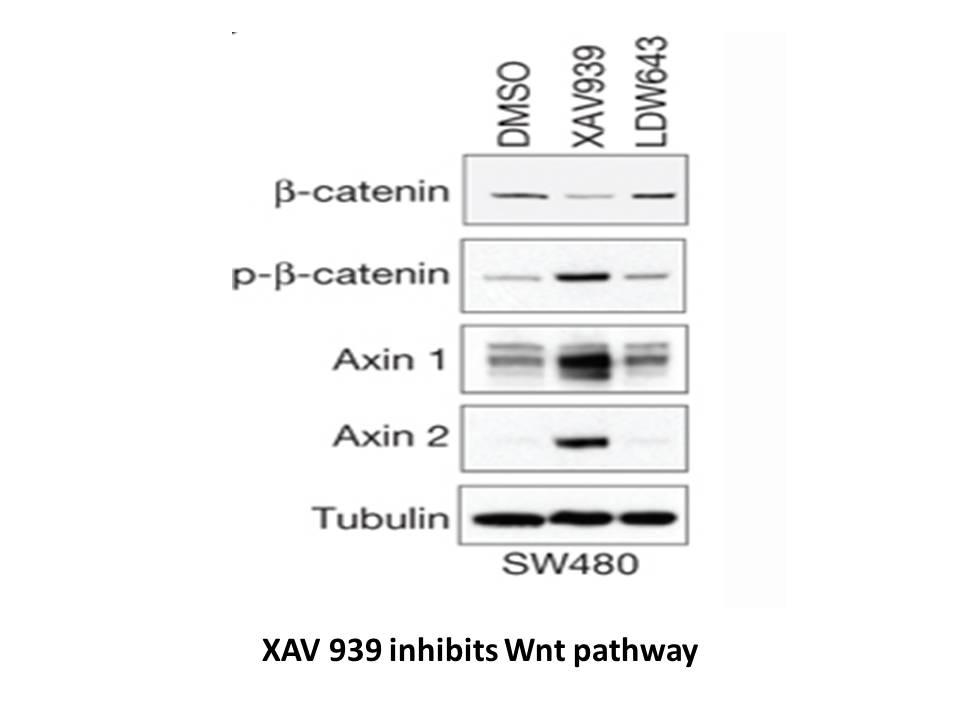
In summary, we have provided evidence that TA, a novel HATi, inhibits the acetylation of histone and non-histone proteins and activation of the mRNA expression of lipogenesis-related genes both in vitro and in vivo (Figure 8), indicating that inhibition of HAT activity by TA is necessary for the pre
br Acknowledgement The work was supported
2022-01-20
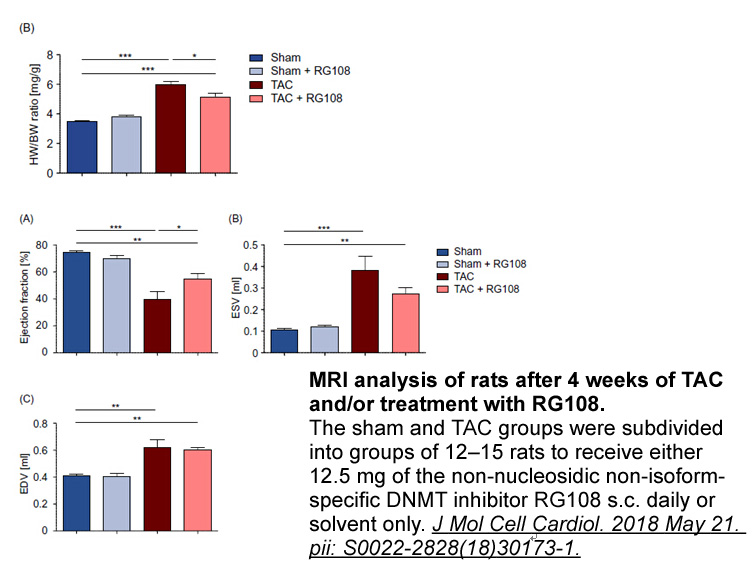
6. Acknowledgement The work was supported by the NSFC through Grant Nos. 11535016 and 11475232. It was also supported by CAS. The authors thank their collaborators for beneficial discussions and enthusiastic supports in the simulations and calculations. Introduction Hypoxia-inducible factors
Several studies have indicated MUC to be
2022-01-19
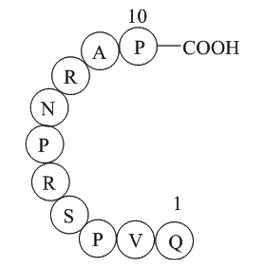
Several studies have indicated MUC1 to be an effective marker for identifying various malignant tumors, such as gastric, breast, pancreatic, ovarian, gallbladder, uterus, lung, and prostate cancers, as well as for prognostic outcomes [16], [17], [18], [19], [20], [21], [22], [23]. Studies by Kaira e
In the gastrointestinal GI tract
2022-01-19
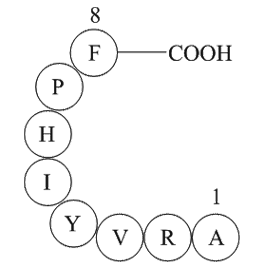
In the gastrointestinal (GI) tract CART expression has been described in the enteric nervous system in rats (Ekblad et al., 2003), pigs (Wierup et al., 2007), sheep (Arciszewski et al., 2009), guinea pigs (Ellis and Mawe, 2003) and humans (Kasacka et al., 2012). Less is known about CART expression i
8590 records 561/573 page Previous Next First page 上5页 561562563564565 下5页 Last page