Archives
- 2018-07
- 2019-04
- 2019-05
- 2019-06
- 2019-07
- 2019-08
- 2019-09
- 2019-10
- 2019-11
- 2019-12
- 2020-01
- 2020-02
- 2020-03
- 2020-04
- 2020-05
- 2020-06
- 2020-07
- 2020-08
- 2020-09
- 2020-10
- 2020-11
- 2020-12
- 2021-01
- 2021-02
- 2021-03
- 2021-04
- 2021-05
- 2021-06
- 2021-07
- 2021-08
- 2021-09
- 2021-10
- 2021-11
- 2021-12
- 2022-01
- 2022-02
- 2022-03
- 2022-04
- 2022-05
- 2022-06
- 2022-07
- 2022-08
- 2022-09
- 2022-10
- 2022-11
- 2022-12
- 2023-01
- 2023-02
- 2023-03
- 2023-04
- 2023-05
- 2023-06
- 2023-07
- 2023-08
- 2023-09
- 2023-10
- 2023-11
- 2023-12
- 2024-01
- 2024-02
- 2024-03
- 2024-04
- 2024-05
-
br COX and LOX in post mortem AD brain
2024-05-15

COX and 5-LOX in post-mortem AD brain Minghetti (2004) reviewed the findings on COX-2 mRNA levels in AD brains, pointing out that the available evidence demonstrated either decreased or increased levels, possibly because of the short half-life of COX-2 transcripts or individual variability. Histo
-
In addition to the above mentioned synaptic mechanisms the s
2024-05-15
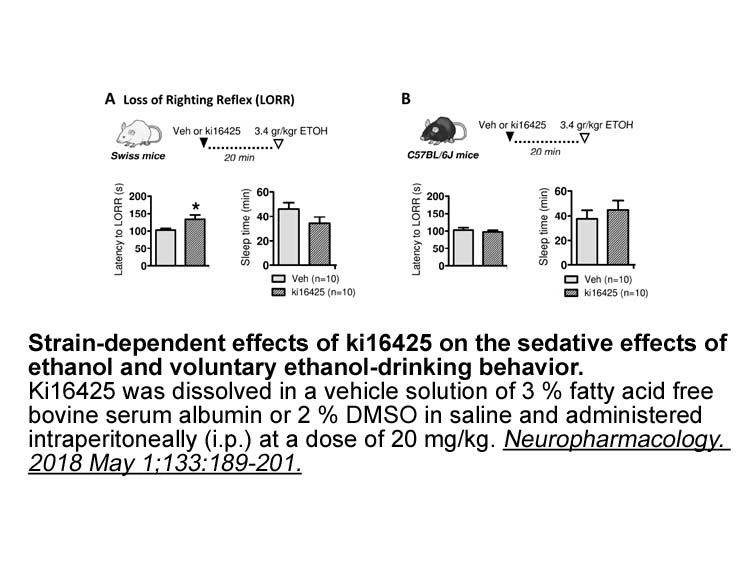
In addition to the above-mentioned synaptic mechanisms, the serotonergic system also has a critical role in the antidepressant effects of mGlu2/3 receptor antagonists. Indeed, we previously reported that mGlu2/3 receptor antagonists increased the firing rate of serotonin neurons in the dorsal raphe
-
br Research perspective In vitro and in
2024-05-15
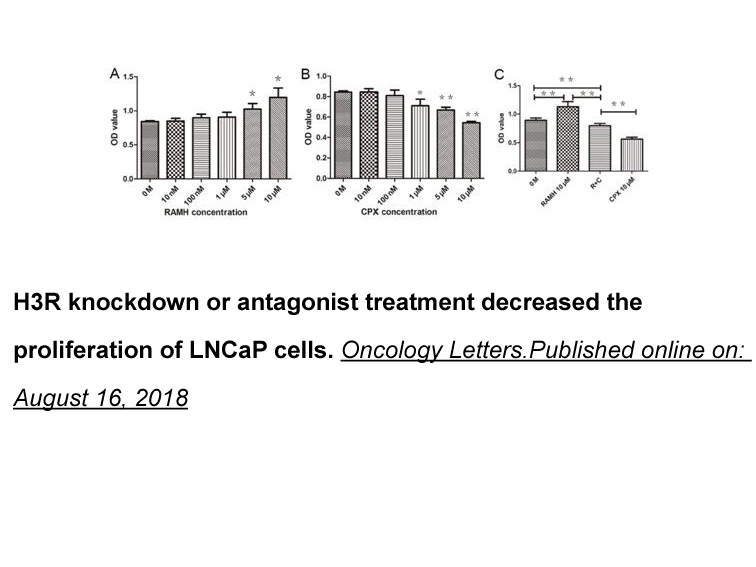
Research perspective In vitro and in vivo studies have demonstrated that increased LPA/ATX signaling contributes to cancer initiation and progression. Recent findings on the role of non-tumoral ATX in cancer progression and metastasis highlighted a new functional contribution for the microenviron
-
The combination of Aurora kinase inhibitors with
2024-05-15

The combination of Aurora kinase inhibitors with standard chemotherapeutics or radiotherapeutics are currently in progress, such as AZD1152 plus radiotherapy in various solid cancer models. In addition, Azzariti et al. found that AZD1152-HQPA enhanced oxaliplatin and gemcitabine effectiveness in the
-
Our results suggest that plasma membrane and
2024-05-15
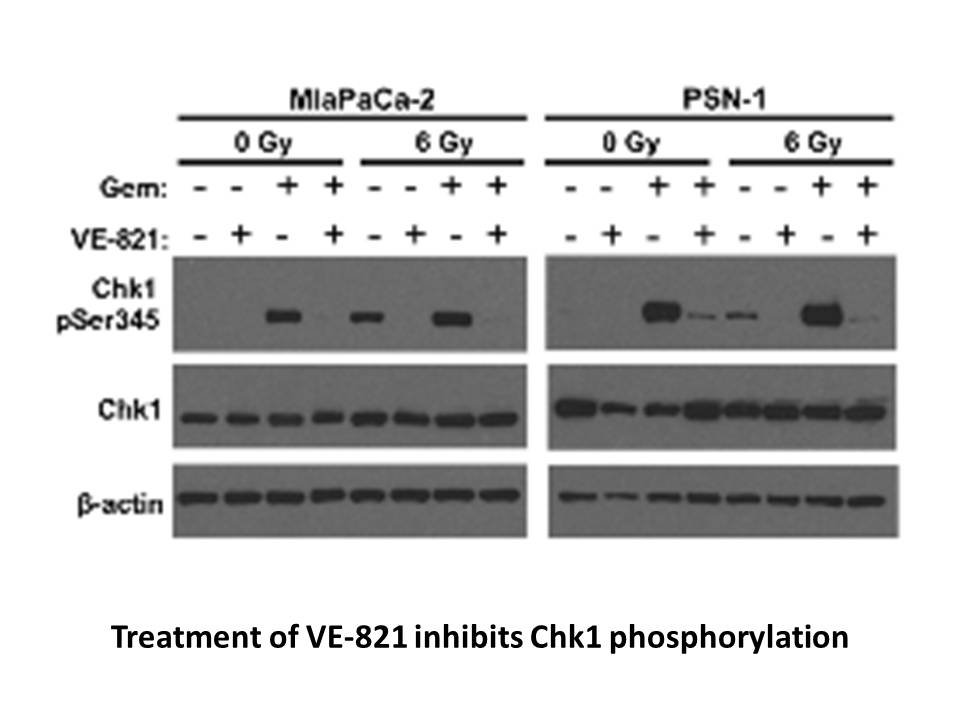
Our results suggest that plasma membrane and a3-containing V-ATPases represent an important and novel target in the development of drugs to limit breast cancer metastasis. That knock-down of a3 has been shown to reduce metastasis of melanoma cells in an in vivo mouse model suggests that this role ma
-
Somatostatin analogs also bind to
2024-05-15
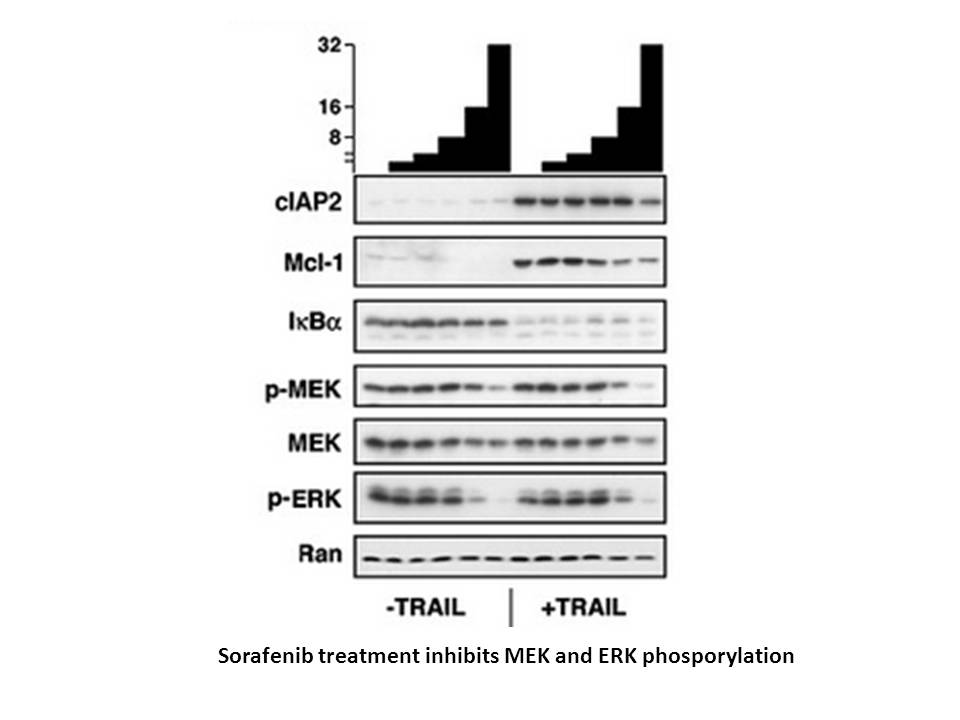
Somatostatin analogs also bind to somatostatin receptors. It has been reported that octreotide has a high affinity for hSSTR2, moderate affinity for hSSTR3 and hSSTR5, and does not bind to hSSTR1 or hSSTR4 (Ben-Shlomo and Melmed 2008). Compared to octreotide, pasireotide displays 40-, 30-, and 5-fol
-
Experimentally the ECD spectrum of showed three ECD bands
2024-05-15
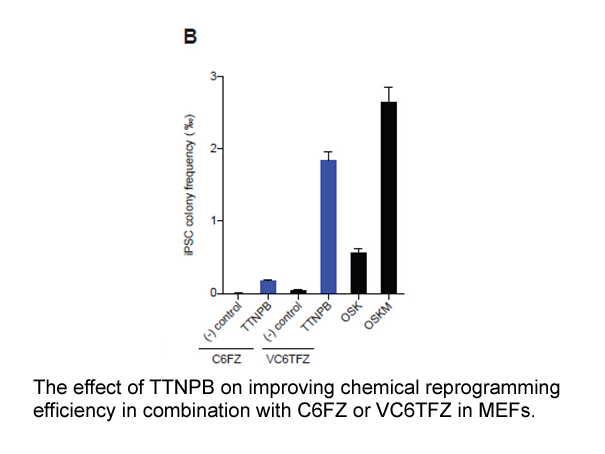
Experimentally, the ECD spectrum of 1 showed three ECD bands: positive ones at 260 and 200nm, and a negative one at 230nm (Fig. 4). Meanwhile, there is only one broad positive ECD band starting from 300nm in the ECD spectrum of 2. ECD spectra of 1 and its derivatives attracted great interest because
-
br Results A total of respondents
2024-05-15
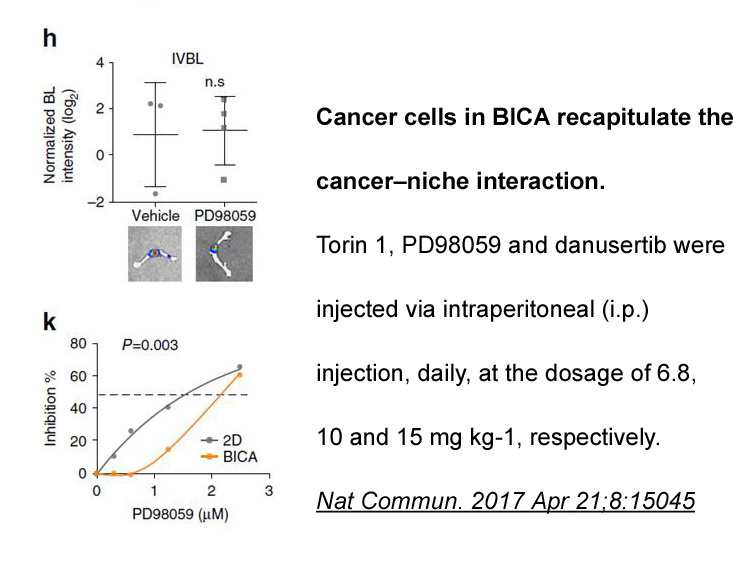
Results A total of 126 respondents completed the survey (68.5% response rate), with at least 65% response rate from each of the four represented sectors (denominators represent the total constituent body of the organization or the total attendees of the meeting): PUC 24 out of 37 (65%), SPUNZA 33
-
br Methodology br Antibiotics in lakes br
2024-05-15
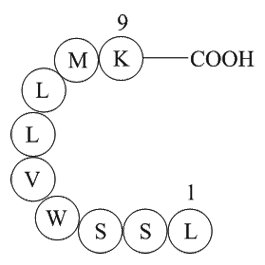
Methodology Antibiotics in lakes Antibiotic resistance genes in lakes Perspectives of study on chir99021 and ARGs in lakes Conclusion This paper systematically reviewed the distribution of antibiotics and ARGs in global lakes. A total of 57 antibiotics reported at least once in the w
-
Akt is another upstream kinase known to
2024-05-15
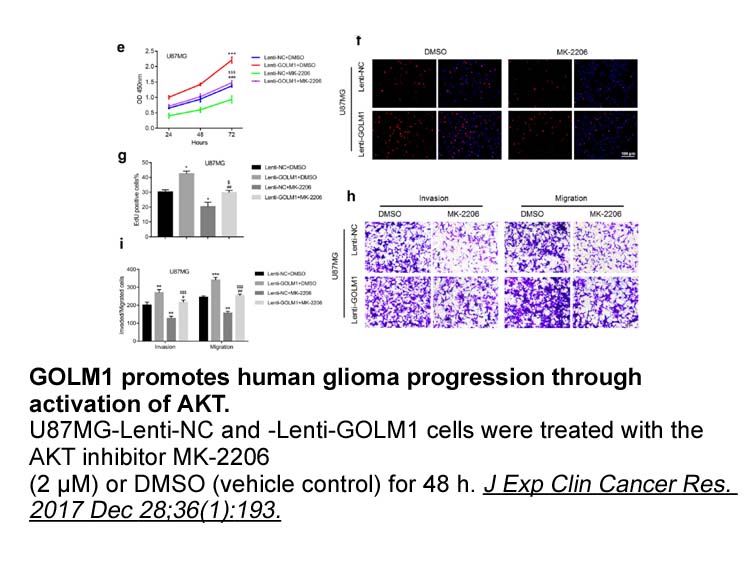
Akt is another upstream kinase known to phosphorylate AMPK Ser489 in response to high insulin levels [7], [21]. HepG2 Prochlorperazine show an increase in phosphorylation of AMPK at Ser485 when incubated with either insulin or troglitazone individually (Fig. 5A and C). Despite this concurrent incre
-
Imatinib was first approved for the treatment of
2024-05-14
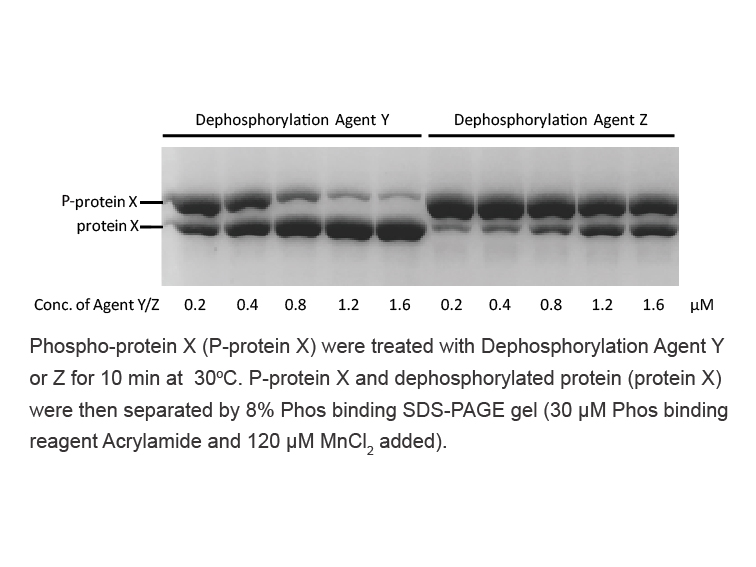
Imatinib was first approved for the treatment of Philadelphia chromosome positive chronic myelogenous leukemia in 2001 [25]. This first approved small molecule antagonist is quite unusual in that it provides a durable response that lasts for more than a decade in the majority of patients. Imatinib h
-
For the first series we
2024-05-14
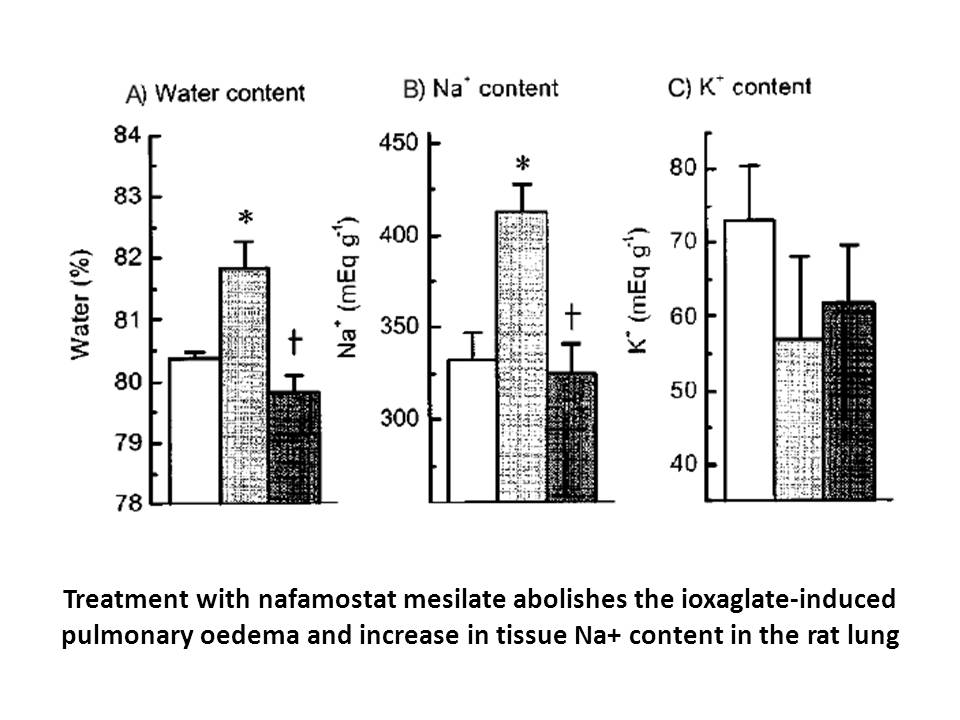
For the first series we decided to verify the effects induced, on the ALR2 inhibitory properties, of an additional steric hindrance on the carbon in α position with respect to the carboxylic group, by introducing a methyl group (R2=Me). Therefore, we synthesized a series of new α-alanine derivatives
-
Interest in natural products has led
2024-05-14
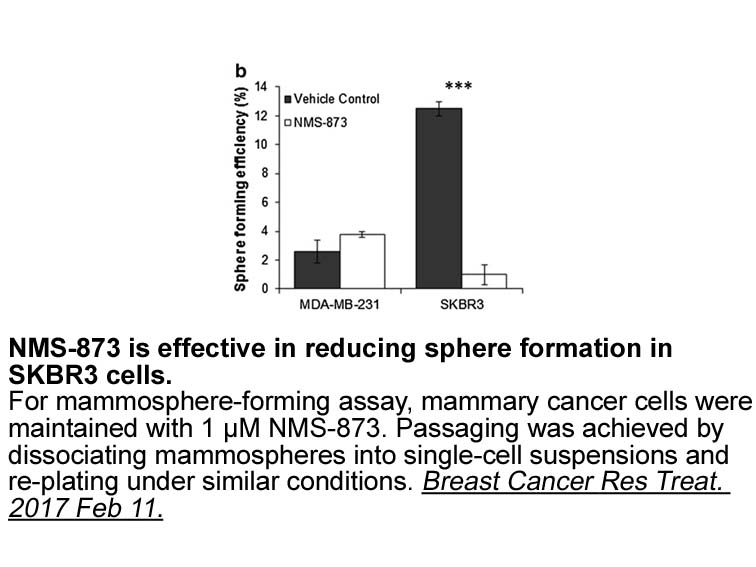
Interest in natural products has led to the study of plant extracts as sources of ARIs. However, chemical complexity of natural extracts makes the identification of ARIs challenging and time-consuming. Identification of bioactive compounds with the desired biological effect from natural products, co
-
Globally the total number of
2024-05-14
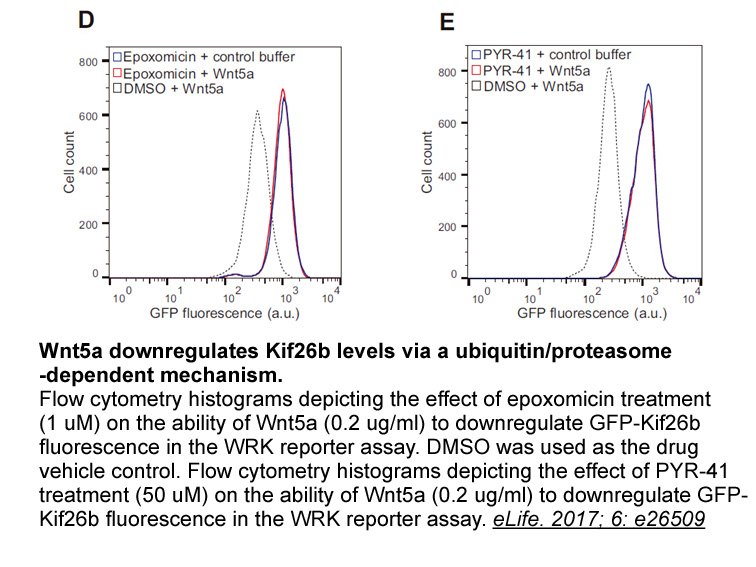
Globally, the total number of patients included in the meta-analysis was 1885, ranging from 40 to 442 patients per study. All eligible studies reported the association between ALDH1 expression and patients' OS [24-26, 3241], whereas nine studies evaluated the relationship between ALDH1 expression an
-
br Does TIPARP contribute to the diverse species sensitivity
2024-05-14
Does TIPARP contribute to the diverse species sensitivity to TCDD toxicity? In chick embryo hepatocytes TIPARP was reported to mediate the TCDD-dependent suppression of hepatic gluconeogenesis, by reducing cellular NAD+ levels and reducing PCK1 expression, suggesting that ADP-ribosylation enhance