Archives
- 2018-07
- 2019-04
- 2019-05
- 2019-06
- 2019-07
- 2019-08
- 2019-09
- 2019-10
- 2019-11
- 2019-12
- 2020-01
- 2020-02
- 2020-03
- 2020-04
- 2020-05
- 2020-06
- 2020-07
- 2020-08
- 2020-09
- 2020-10
- 2020-11
- 2020-12
- 2021-01
- 2021-02
- 2021-03
- 2021-04
- 2021-05
- 2021-06
- 2021-07
- 2021-08
- 2021-09
- 2021-10
- 2021-11
- 2021-12
- 2022-01
- 2022-02
- 2022-03
- 2022-04
- 2022-05
- 2022-06
- 2022-07
- 2022-08
- 2022-09
- 2022-10
- 2022-11
- 2022-12
- 2023-01
- 2023-02
- 2023-03
- 2023-04
- 2023-05
- 2023-06
- 2023-07
- 2023-08
- 2023-09
- 2023-10
- 2023-11
- 2023-12
- 2024-01
- 2024-02
- 2024-03
- 2024-04
- 2024-05
-
Curcumin is the principal natural polyphenol curcuminoid of
2024-05-14
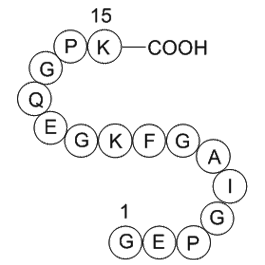
Curcumin is the principal natural polyphenol curcuminoid of turmeric (Curcuma longa) rhizome, a member of the ginger family (Zingiberaceae) [13]. Curcumin has a wide spectrum of therapeutic properties, and it has been shown to possess antioxidant, anti-inflammatory, anticancer, antiangiogenesis, che
-
Patients with AAG often respond to intravenous immunoglobuli
2024-05-14
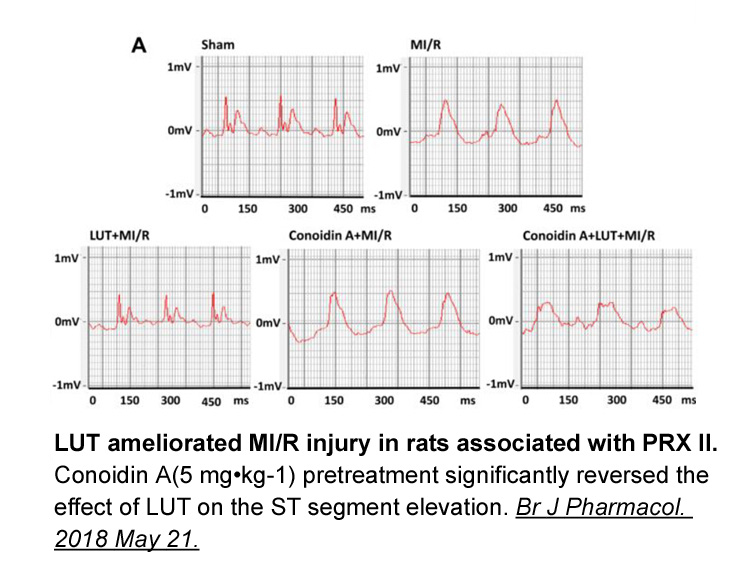
Patients with AAG often respond to intravenous immunoglobulin or plasma exchange. If these therapies are inadequate, ongoing immune suppression with steroids, azathioprine, mycophenylate or rituximab have been shown to be effective in case reports. Our patient seemed initially resistant to steroid t
-
br Difference between ACh and ER tests There are
2024-05-14
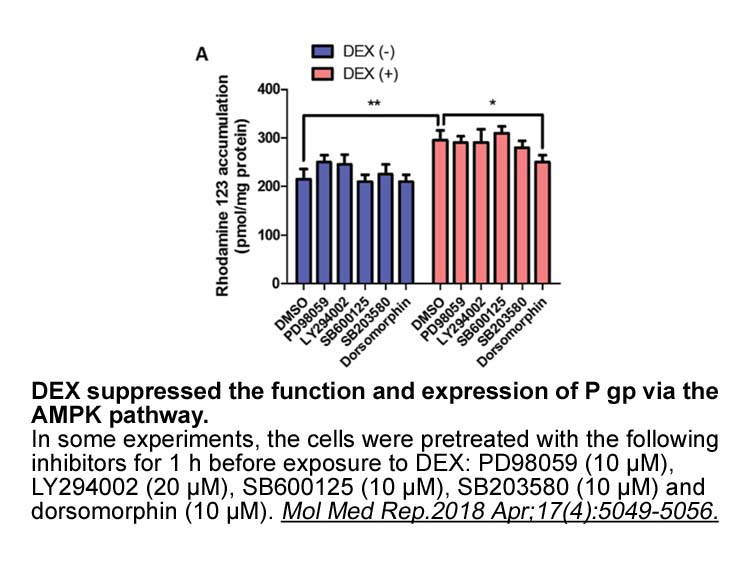
Difference between ACh and ER tests There are few reports concerning the provoked spasm between ER and ACh in the same patients [51], [52], [53]. Different mediators may have the potential of different coronary responses. In our experience, spasm provoked by intracoronary injection of ER is focal
-
Whereas more research is needed
2024-05-14
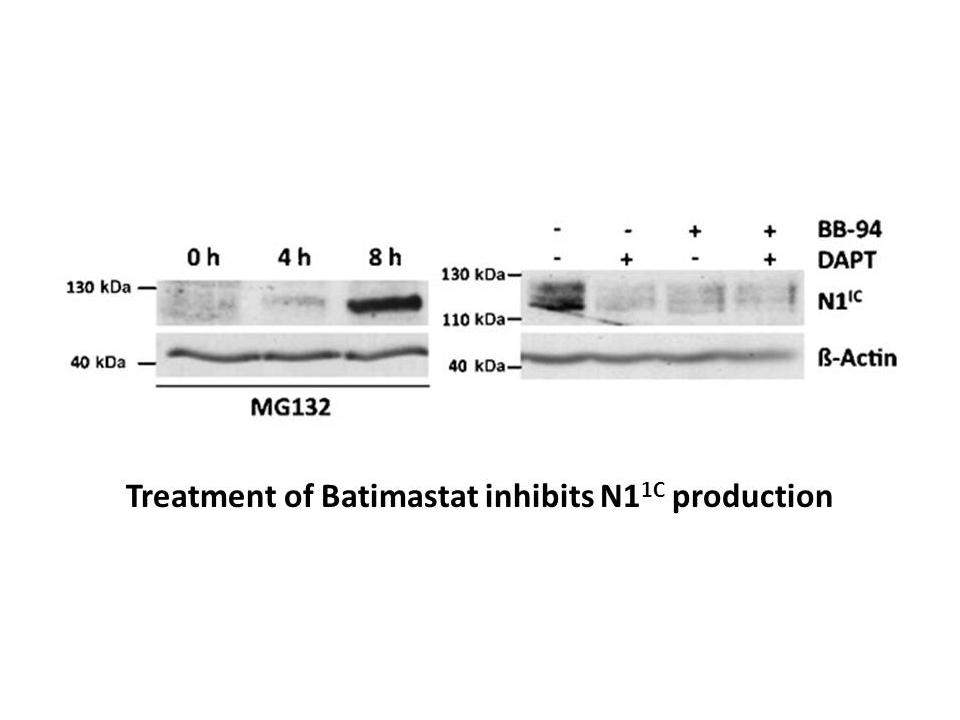
Whereas more research is needed to identify the precise mechanism by which FIN exerts its antidyskinetic effect, the glycogen synthase kinase 3 that it can negatively modulate dopaminergic transmission is also supported by our previous findings. Indeed, we have previously shown that FIN completely
-
A rational approach for the design of new steroid compounds
2024-05-14
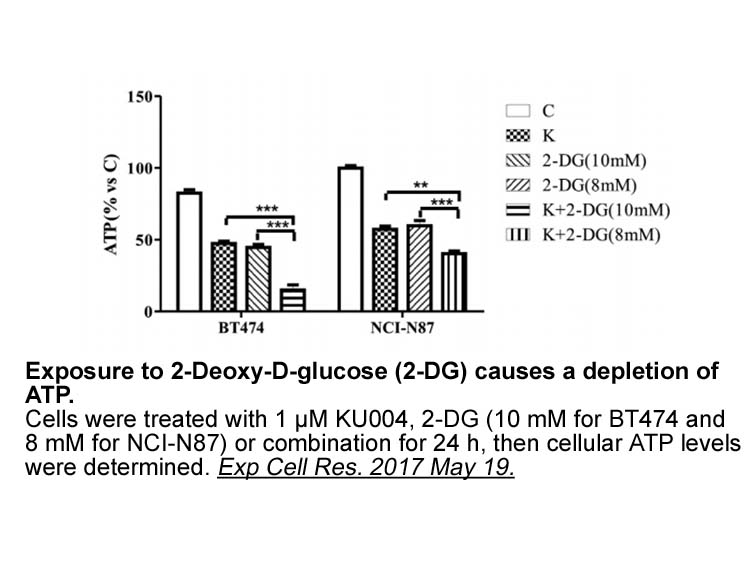
A rational approach for the design of new steroid compounds as possible competitive inhibitors of CYP17 include chemical modification at C17 of the enzyme's natural substrates, pregnenolone (1) and progesterone (2), introducing groups with moderate to strong dipole properties at C20, such as oxime
-
Thymoquinone TQ is the major active compound derived
2024-05-14
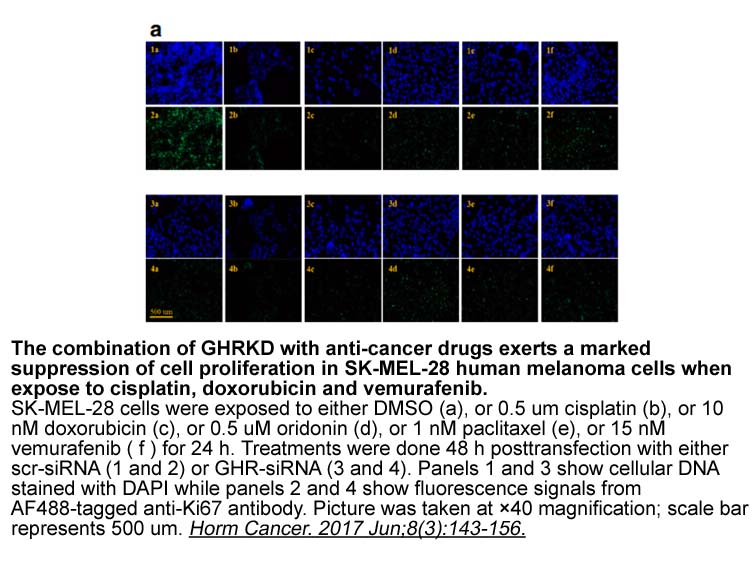
Thymoquinone (TQ) is the major active bmn 673 sale derived from Nigella sativa (Woo et al., 2012). Recent animal studies support the potential of TQ for the treatment of a variety of inflammatory disorders like inflammatory bowel disease (IBD), RA, and osteoarthritis (OA) (Salem, 2005, Badr et al.,
-
Hydrogen sulfide H S a colorless
2024-05-14
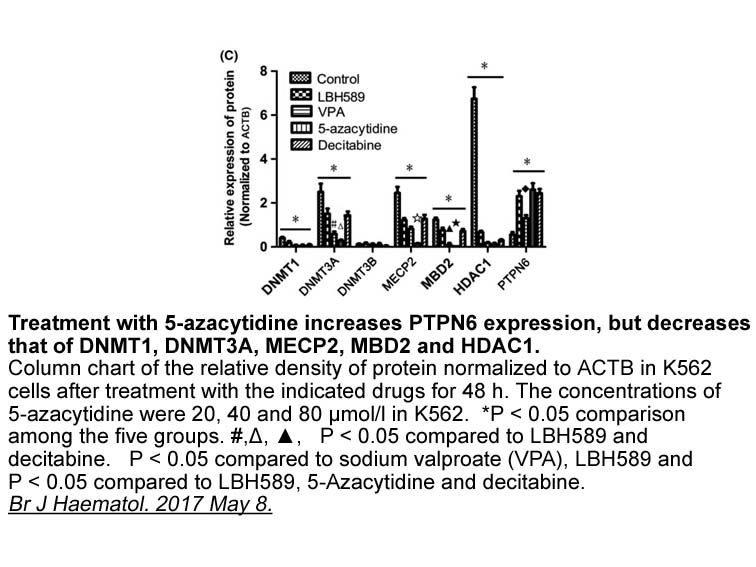
Hydrogen sulfide (H2S) [33], a colorless and water-soluble gas with the smell of rotten eggs, is now recognized as an important gasotransmitter, after the extensive study of nitric oxide (NO) and carbon monoxide (CO). H2S is produced endogenously via enzymatic reactions of cysteine, homocysteine and
-
Atherosclerosis is a chronic lipid metabolism
2024-05-14
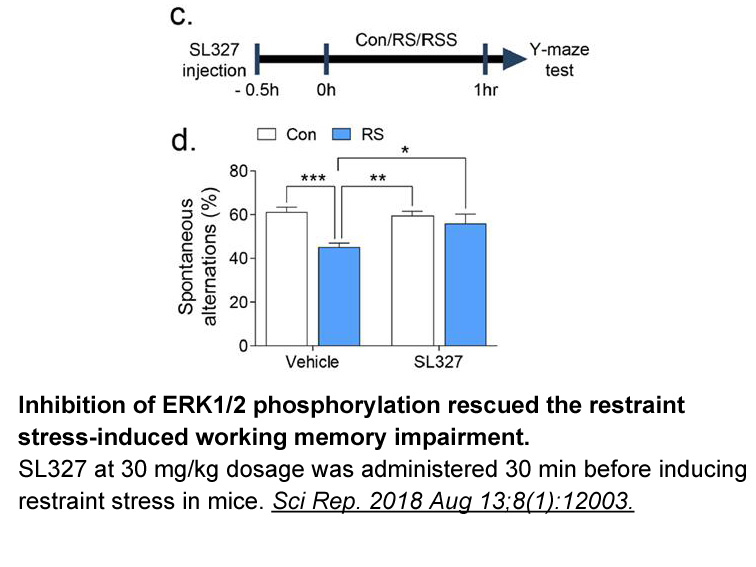
Atherosclerosis is a chronic lipid metabolism disorder linked with lipid accumulation within the arterial wall and subsequent formation of foam cells and vascular disease [96], [97]. The level of apelin is decreased in human atherosclerotic coronary arteries [4], and coronary collateral formation in
-
Reactive oxygen species is an
2024-05-14
Reactive oxygen species is an aspect of oxidative stress which are associated with many diseases such as rheumatoid arthritis, diabetes, inflammation, atherosclerosis and cancers (Collins, 2005; Halliwell, 1994). Thus, the need for naturally occurring antioxidants is of crucial importance. Some biop
-
FMK Unfortunately results of serum plasma
2024-05-14

Unfortunately, results of serum/plasma AC assessment after food antioxidant intake are rather controversial: although some papers reported an increase of AC after food antioxidant intake (Khan et al., 2015, Torabian et al., 2009), unexpectedly, in a lot of long-term intervention studies (days, weeks
-
Another hypothesis is angiogenesis inhibition Angiogenesis
2024-05-13
Another hypothesis is angiogenesis inhibition. Angiogenesis is a process that involves the growth, migration and differentiation of endothelial doxercalciferol to form new blood vessels. Angiogenesis favorably influences tumor growth and also influences tumor invasion of vessels, resulting in tumor
-
AMG-208 br HIF Signaling in AA Therapy Resistance
2024-05-13
HIF-α Signaling in AA Therapy Resistance An important result emerging from Phase 3 clinical trials testing AA therapies is improvement of progression-free survival (PFS) that is not accompanied by enhanced overall survival (OS) [26]. This dichotomy has been attributed to mechanisms of acquired re
-
Other reports however have indicated that
2024-05-13
Other reports, however, have indicated that all components of RAS are produced within the central nervous system (CNS) (Saavedra, 2005). Thus, AGTR1 and AGTR2 in circumventricular organs and in cerebrovascular endothelial cells may respond to circulating ANG2 of peripheral origin, whereas neural rec
-
With wide spread use of corticosteroids to combat
2024-05-13
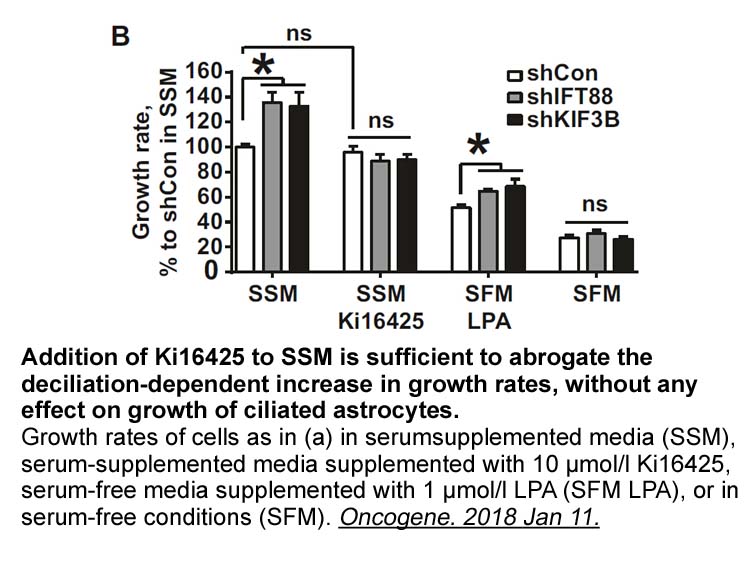
With wide-spread use of corticosteroids to combat inflammation and allergies, even children are susceptible to corticosteroid-induced muscle wasting. Although non-steroidal SGRMs that spare muscle and bone, but have significant anti-inflammatory effects, have been preclinically developed and tested,
-
While there is much in vivo work
2024-05-13
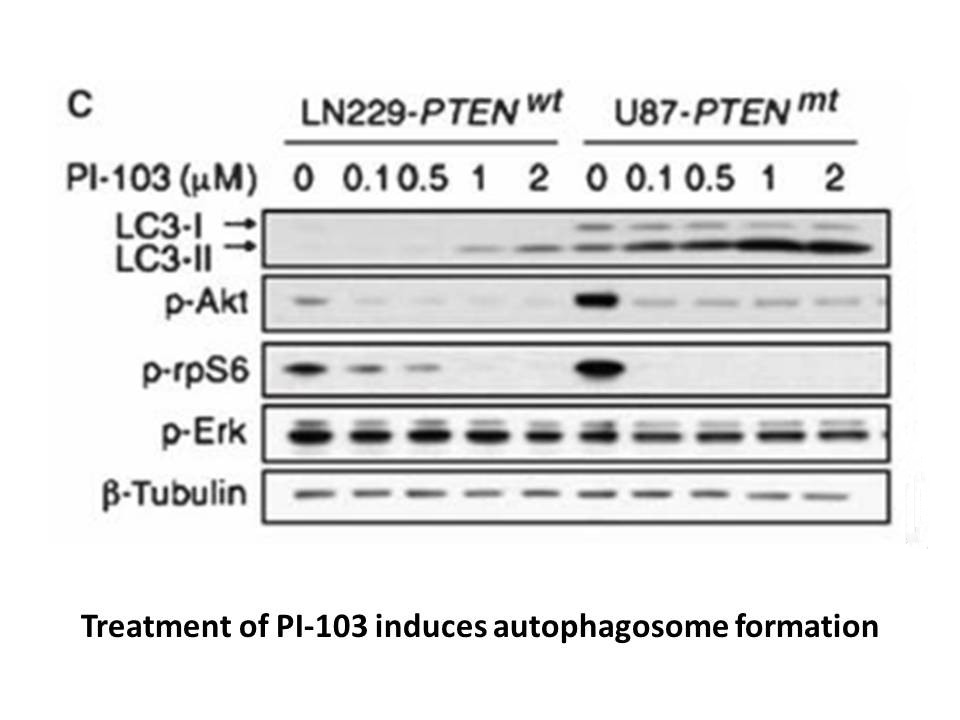
While there is much in vivo work on prion-like Aβ, it has not been shown that one can induce inclusions of Aβ in cultured cells as has been shown for tau and α-synuclein. One reason is practical; Aβ is a low molecular weight metabolite cleaved from within the larger amyloid precursor protein (APP) a